
Last updated September 21, 2026
Full 25-point door and opener safety check with every visit - springs, cables, rollers, tracks, and your LiftMaster or Chamberlain opener included
You get a price before we start. It does not change when the truck arrives.
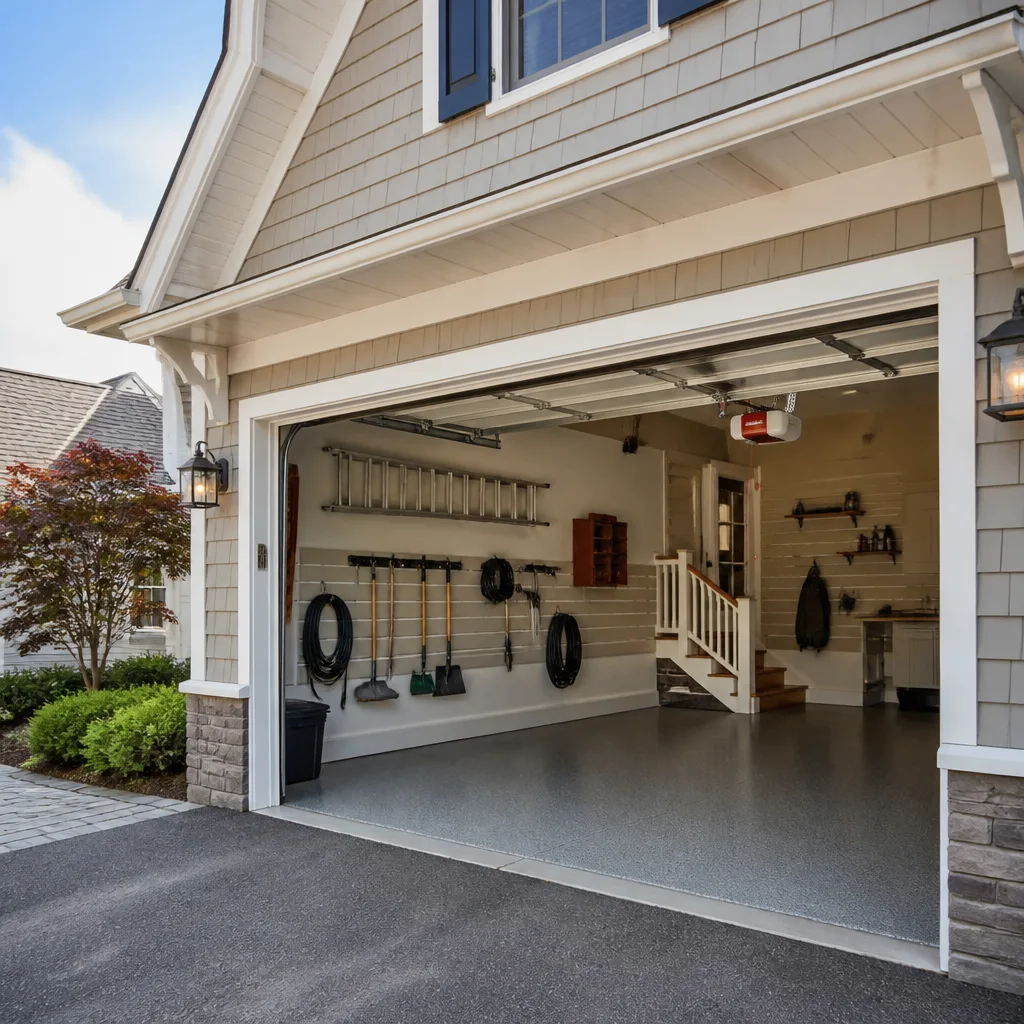
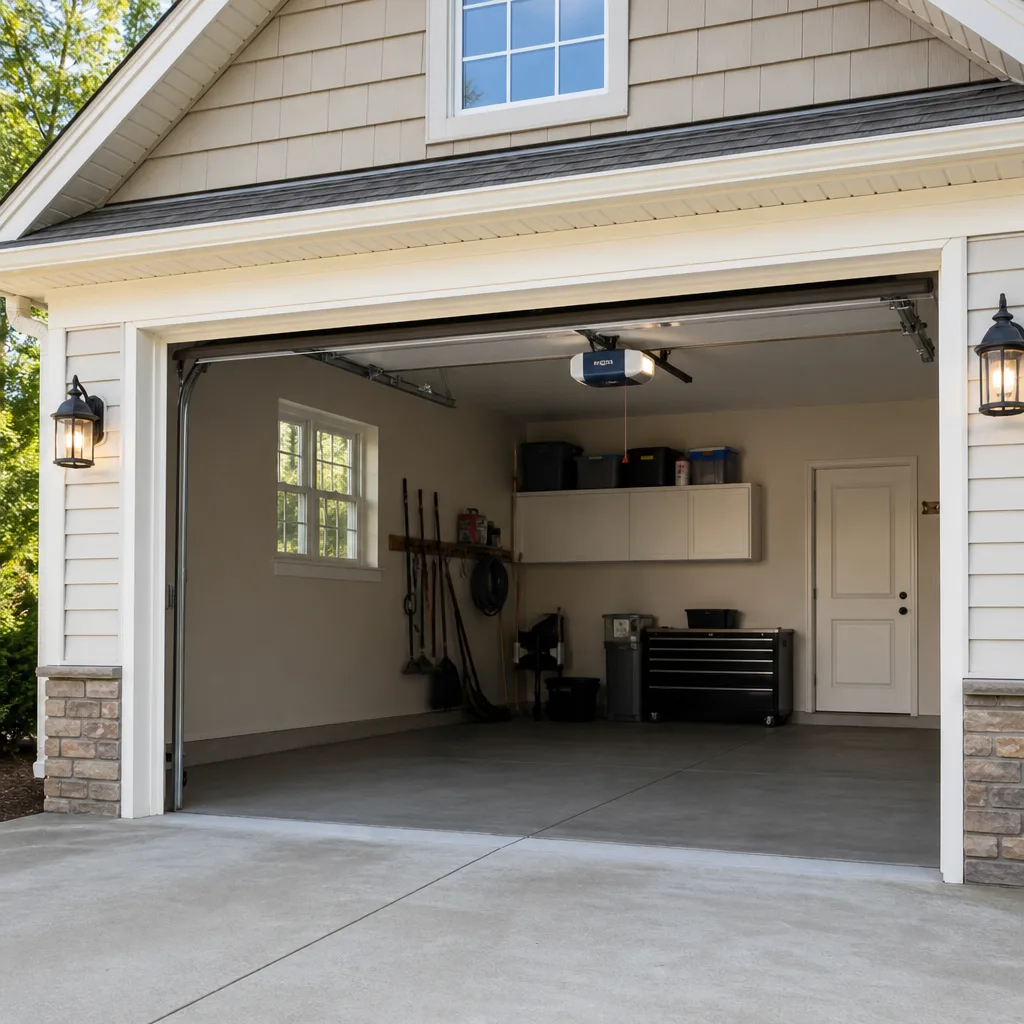
 Before
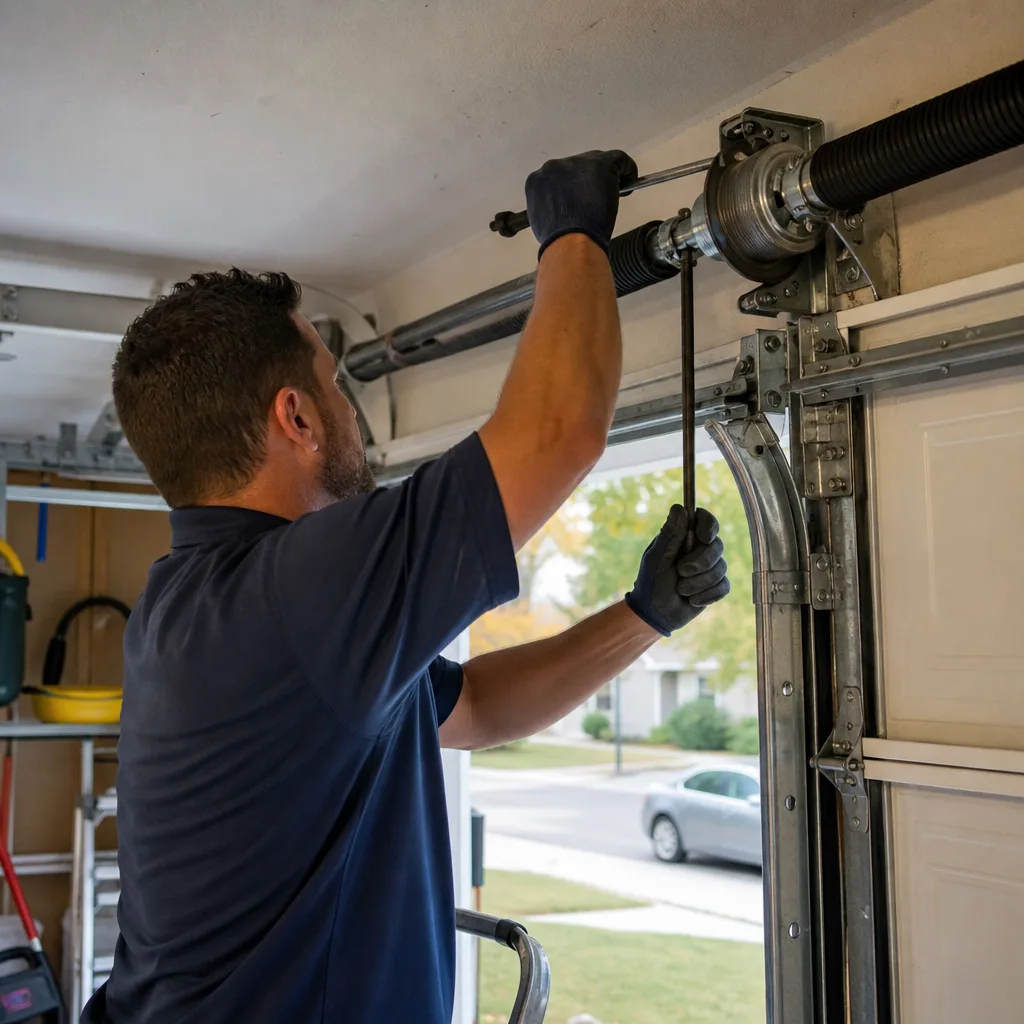 After
After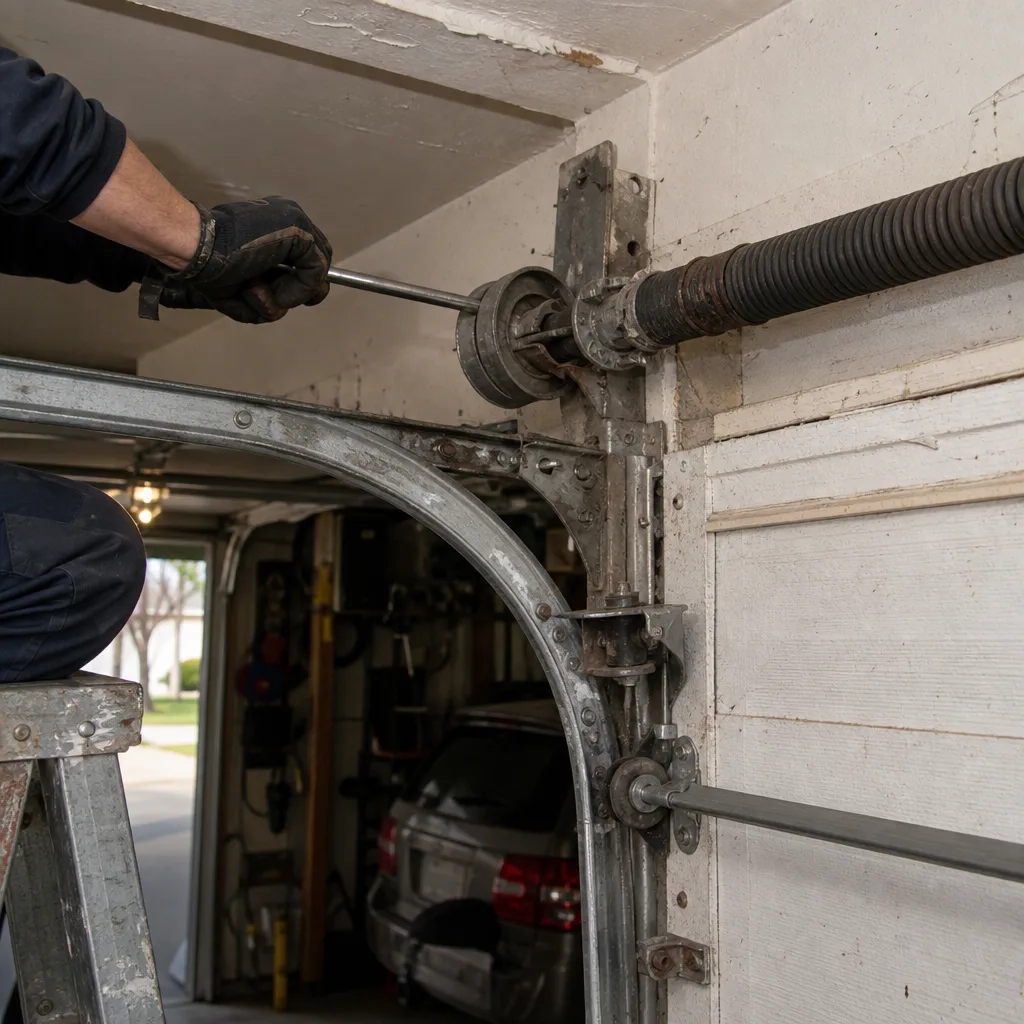 Before
 After
After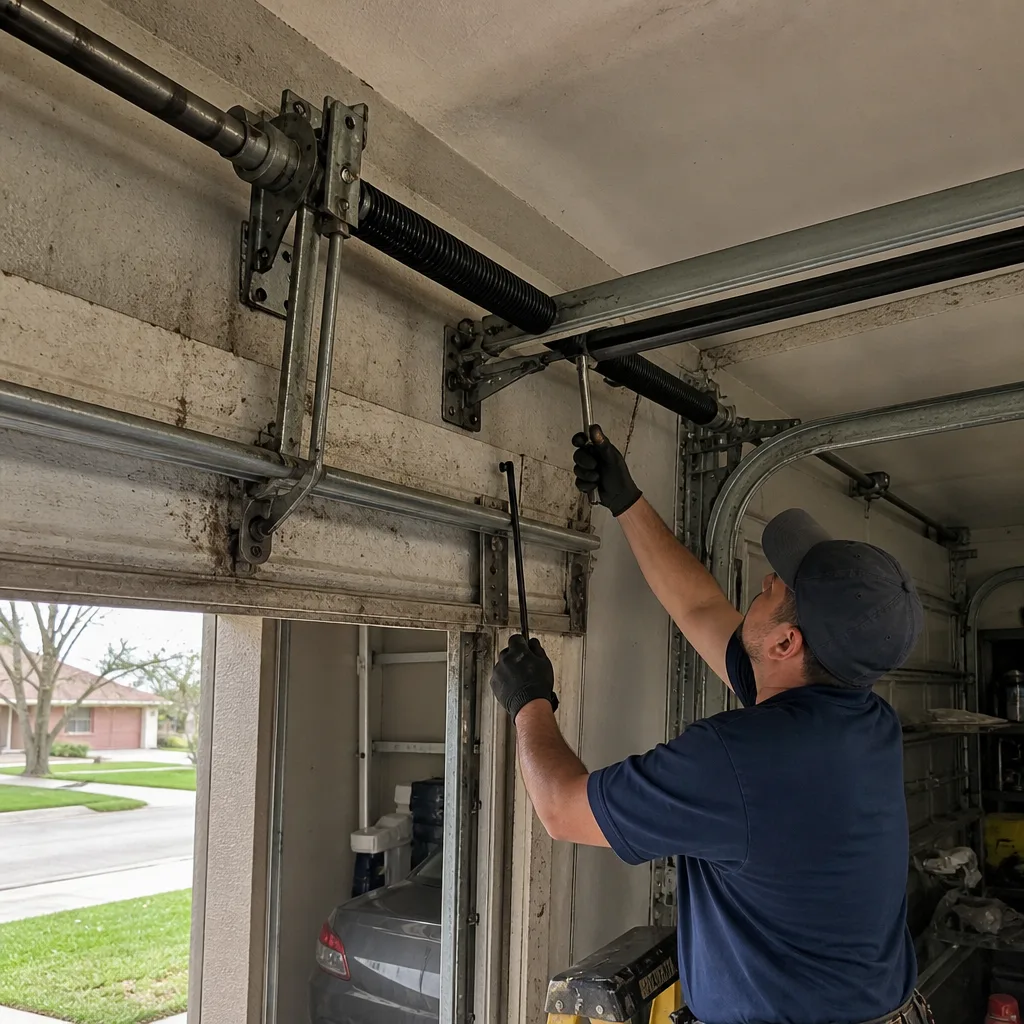 Before
 After
AfterGarage Door Repair Maintenance Checklist for Missouri City Homeowners
Garage door weatherstripping in Missouri City typically fails within 4-6 years, not the 10-year figure printed on most product packaging, because summer UV exposure here is measured in desert-range hours. Yet it’s the last thing on most maintenance lists. This checklist is sequenced by what actually breaks first in Fort Bend County’s climate, not by what sounds organized on paper-part of our broader Garage Door Repair approach. You’ll learn which parts to inspect in which order, the exact lubrication types for each component, how to run a door-balance test with real numbers, and what to photograph each season so the next technician can see degradation history instead of guessing.
Quick Answer
A proper garage door maintenance checklist for Missouri City homeowners prioritizes weatherstripping and spring inspection first, followed by cable, roller, and track evaluation, then opener hardware and safety sensor testing. Perform the door-balance test quarterly, lubricate metal-on-metal contact points with lithium grease and weatherstrip with silicone spray, and document each inspection with dated photos. In this climate, check weatherstripping every September after UV peak season and cables every February following hard freezes.
Table of Contents
- Why Climate Dictates the Inspection Sequence in Missouri City
- Step 1: Weatherstripping and Bottom Seal (Inspect First, Replace Often)
- Step 2: Torsion Springs and Hardware (The High-Tension Zone)
- Step 3: Cables, Rollers, and Track Alignment
- Step 4: The Door-Balance Test (With Acceptable Deviation Range)
- Step 5: Opener Hardware, Logic Board, and Safety Sensors
- Lubrication Specifications: What Gets What
- Seasonal Trigger Points for Fort Bend County
- The Documentation Habit: What to Photograph and Log
- Common Mistakes to Avoid
- When to Call a Professional
- Frequently Asked Questions
 Before
 After
AfterWhy Climate Dictates the Inspection Sequence in Missouri City
Most garage door maintenance checklists are alphabetical or zonal: springs, then cables, then opener, then weatherstrip. That works in San Diego. In Missouri City, it gets homeowners into trouble.
Fort Bend County sits in a humid subtropical zone with 2,600+ annual sunshine hours and summer UV indices that regularly hit 11+. The garage door surface temperature on a July afternoon in Sienna Plantation or Lake Olympia can exceed 140°F. Meanwhile, January dips to 20°F aren’t uncommon, and the humidity swings between 90% morning saturation and afternoon thunderstorms create expansion-contraction cycles that stress flexible components before rigid ones.
Here’s what we’ve documented across 18,000+ garage doors since 2015: in Missouri City, the failure sequence runs weatherstripping first, then spring fatigue accelerated by thermal cycling, then cable fraying from humidity corrosion, then roller degradation, then opener electronics. A checklist that starts with springs misses the component that’s already failed and is letting conditioned air escape, driving up your energy bill and letting garage humidity attack everything else faster.
The inspection sequence below follows this observed failure pattern. Check in this order, and you’re addressing the highest-problem component first.
Step 1: Weatherstripping and Bottom Seal (Inspect First, Replace Often)
Start with the flexible PVC or rubber seal along the door’s sides and top, plus the bottom seal or threshold. In Missouri City, this is where degradation shows first and costs least to fix early.
What to look for:
- Cracking or crazing (fine surface cracks) on the weatherstrip face, especially the south- and west-facing sections that catch afternoon sun
- Hardening or loss of flexibility: pinch the seal; it should compress and rebound, not crack or stay flattened
- Bottom seal gaps when the door is fully closed, visible as light penetration from inside with the lights off
- Mildew or algae growth on the seal underside, indicating trapped moisture from our humidity
- Compressed or flattened bottom seal that no longer fills the gap between door and concrete
When to replace: At first sign of cracking, not when pieces fall off. A compromised seal in Missouri City’s climate lets humid garage air reach metal components 12 months a year, accelerating corrosion on cables and bottom fixtures. Replacement cost runs $45-$120 for standard residential sections; waiting until failure often means the retainer channel is corroded too, adding $80-$150.
For Clopay and Amarr doors common in Missouri City subdivisions built 2015-2020, the bottom seal retainer is often a T-style or bead-style channel. Photograph yours before shopping; the wrong profile won’t seat properly and will tear within months.
Step 2: Torsion Springs and Hardware (The High-Tension Zone)
Safety caveat: Torsion springs are under extreme torque and can cause serious injury or death if handled improperly. Do not attempt to adjust, wind, or unwind them. The inspection steps below are visual and manual only; any adjustment requires a trained professional with proper winding bars and safety equipment.
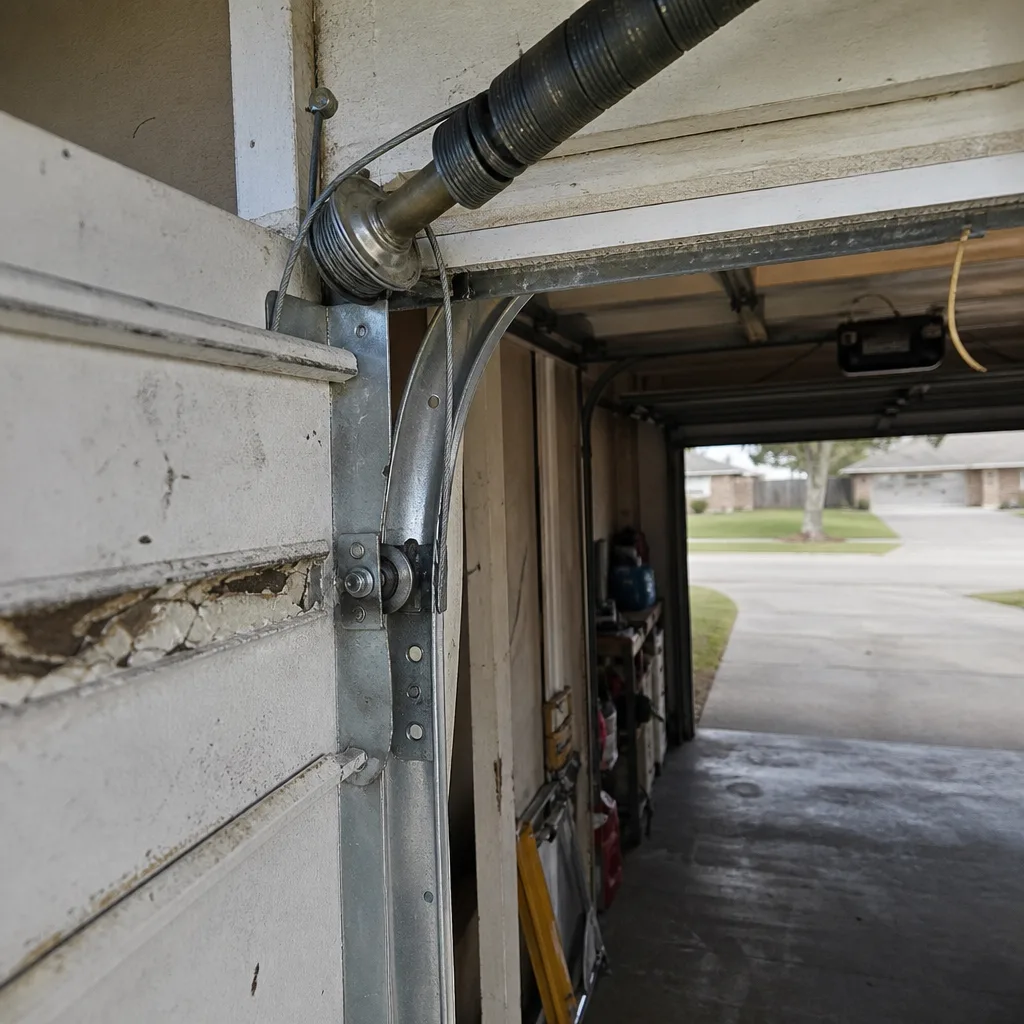
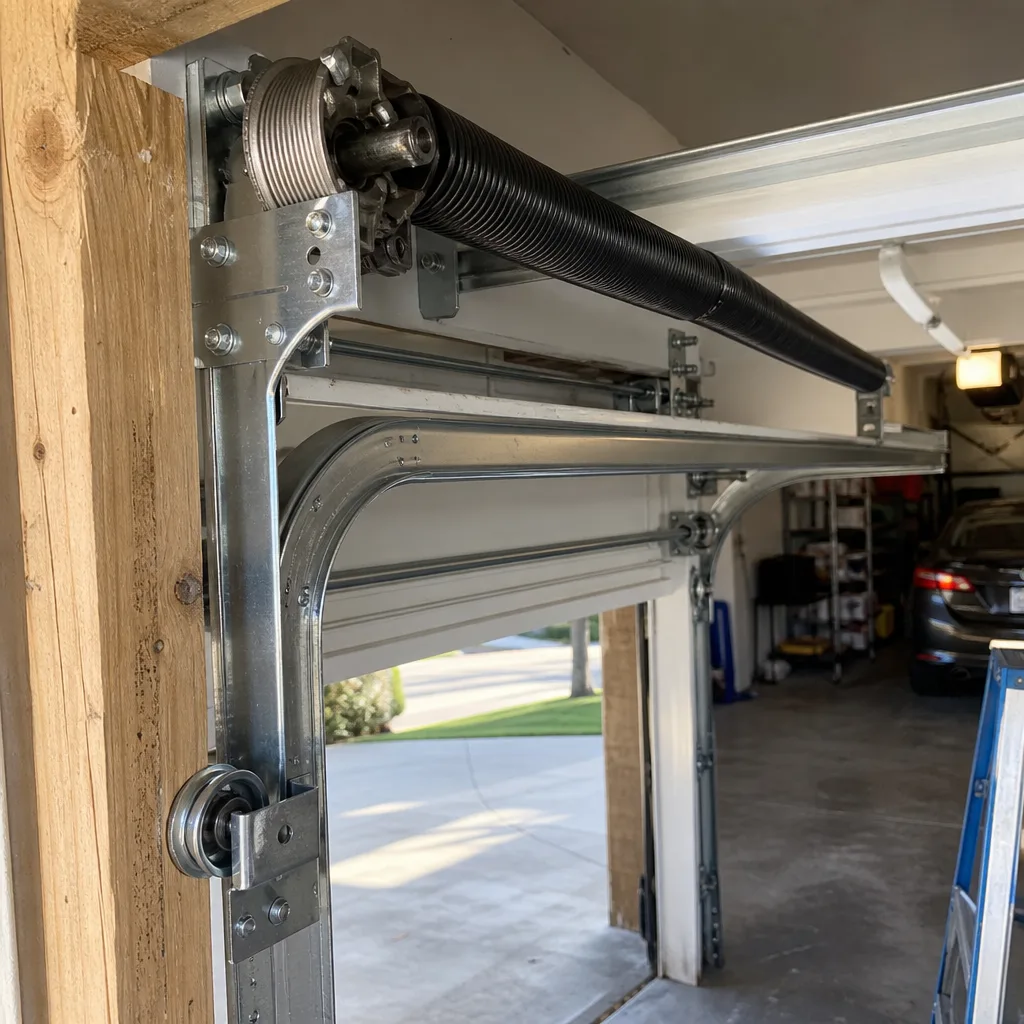
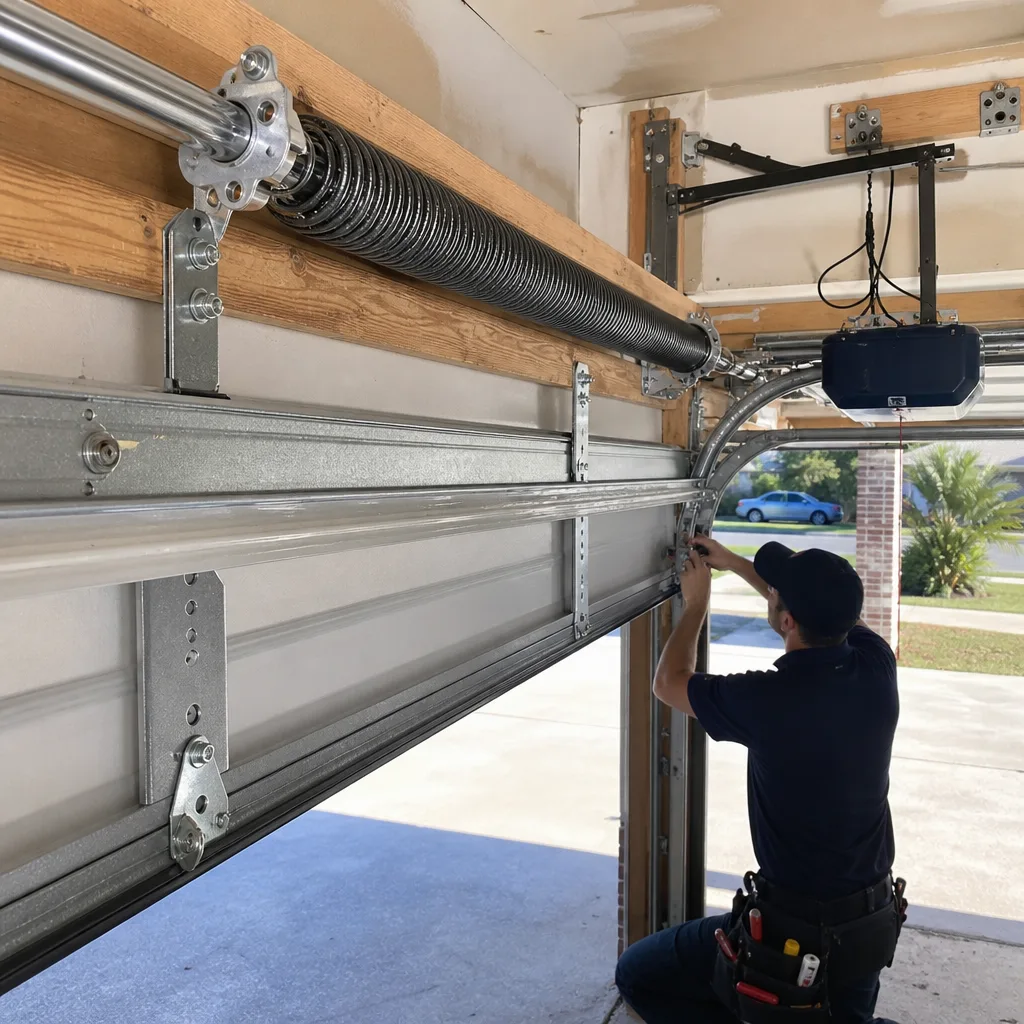
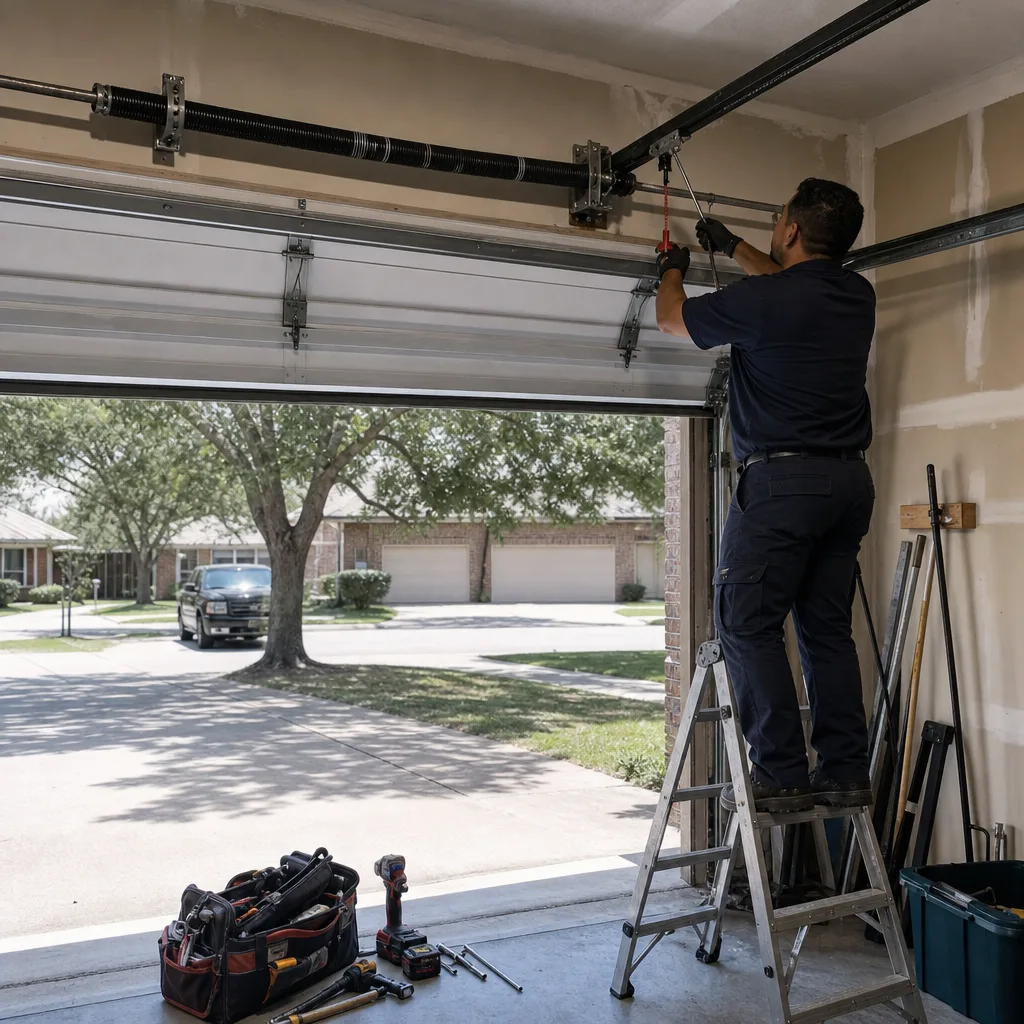
Torsion springs sit on a shaft above the door, wound tight to counterbalance the door’s weight. In Missouri City, thermal cycling from 140°F summer surface temperatures to 20°F winter lows accelerates metal fatigue. We’ve measured spring life reduction of 15-25% in uninsulated garages versus climate-controlled spaces in the same neighborhood.
Visual inspection checklist:
- Look for a gap in the coils: a broken torsion spring will show a clean separation, typically 2-4 coils apart, with the remaining coils still tightly wound
- Check for rust or corrosion on the spring surface, especially where the spring contacts the shaft
- Inspect the cable drums at each end of the shaft for cracks, chips, or worn grooves where the lifting cable seats
- Examine the center bearing plate and end bearing plates for looseness, cracking, or wall separation
- Verify that the set screws on the winding cones and cable drums are present and tight (do not tighten yourself; just confirm they haven’t backed out)
Manual test (safe to perform): With the door closed, pull the emergency release cord to disconnect the opener trolley. Attempt to lift the door manually. It should move smoothly and feel weight-balanced, not heavy on one side. If the door feels significantly heavier than you remember, or if it drifts down when held at waist height, the spring torque has degraded. That’s the signal to call for measurement and potential replacement.
Standard torsion springs in Missouri City residential installations are rated for 10,000 cycles (roughly 7-10 years of normal use). High-cycle springs rated for 20,000-30,000 cycles are available and often worth the upgrade for multi-car households.
Step 3: Cables, Rollers, and Track Alignment
After spring inspection, move to the lifting cables and roller system. These components transfer the spring’s counterbalance force to the door panels and guide the door’s travel.
Cable inspection:
- Fraying or broken strands, visible as “fuzzy” areas or individual wire protrusions from the cable braid
- Rust discoloration, especially near bottom fixtures where humidity collects
- Kinking or flattening from previous improper winding or door impact
- Bottom fixture integrity: the brackets that anchor cables to the bottom of the door should be firmly attached with no wallowed bolt holes
Cables fail catastrophically when they fail; a frayed cable under load can snap without warning. In our experience, cable replacement in Missouri City runs $85-$160 per cable including hardware, and we replace them in matched pairs per Clause 3 of The Haven Standard.
Roller inspection:
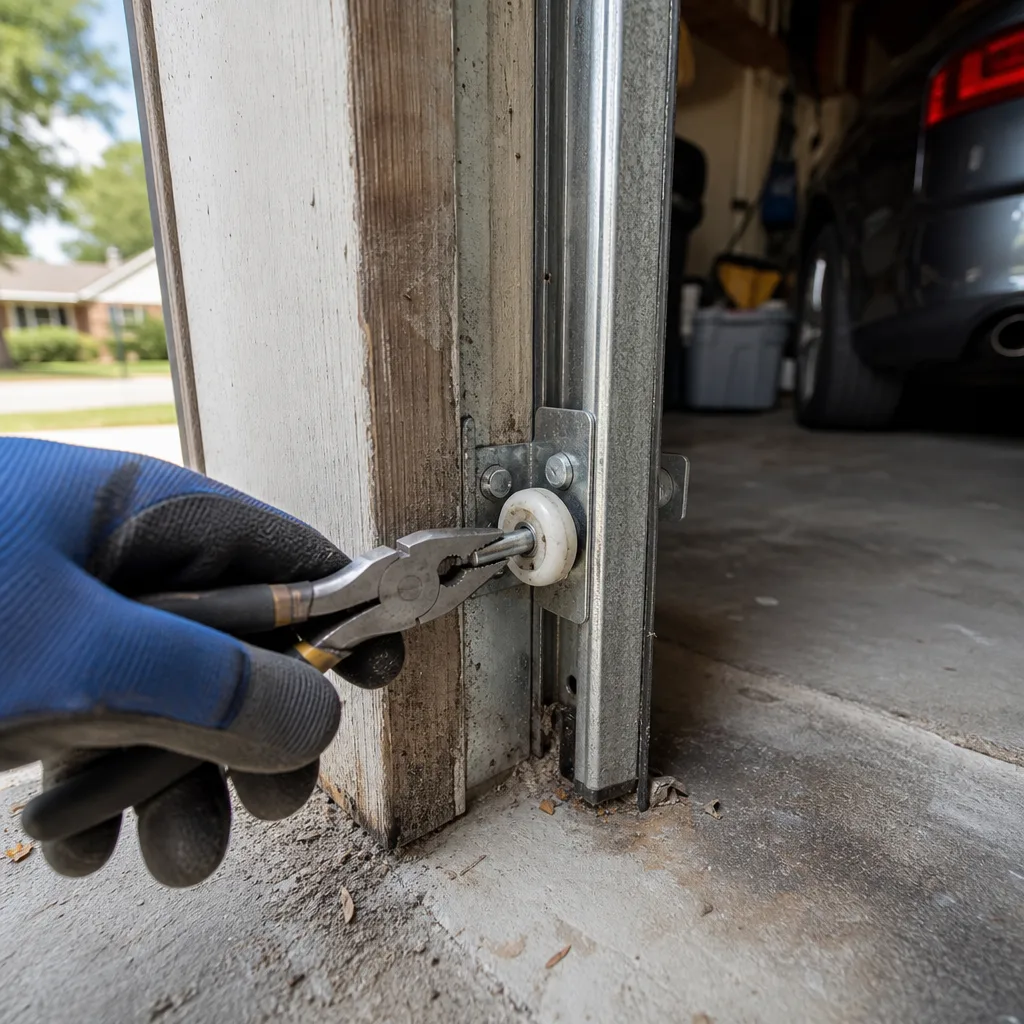
Rollers come in three types common to Missouri City installations: steel rollers with unsealed bearings (noisiest, shortest life), steel rollers with ball bearings (mid-grade, 5-7 year typical life), and nylon rollers with sealed ball bearings (quietest, 10-15 year life). Identify yours by the wheel material and whether the bearing is visible or enclosed.
- Steel rollers: check for bearing wobble, rust, or grinding noise during door travel
- Nylon rollers: inspect for wheel cracking, flat spots, or bearing seizure; the nylon itself degrades from UV exposure through any gap in the track
- All types: confirm the roller stem is straight and fully seated in the hinge bracket, not bent from door impact
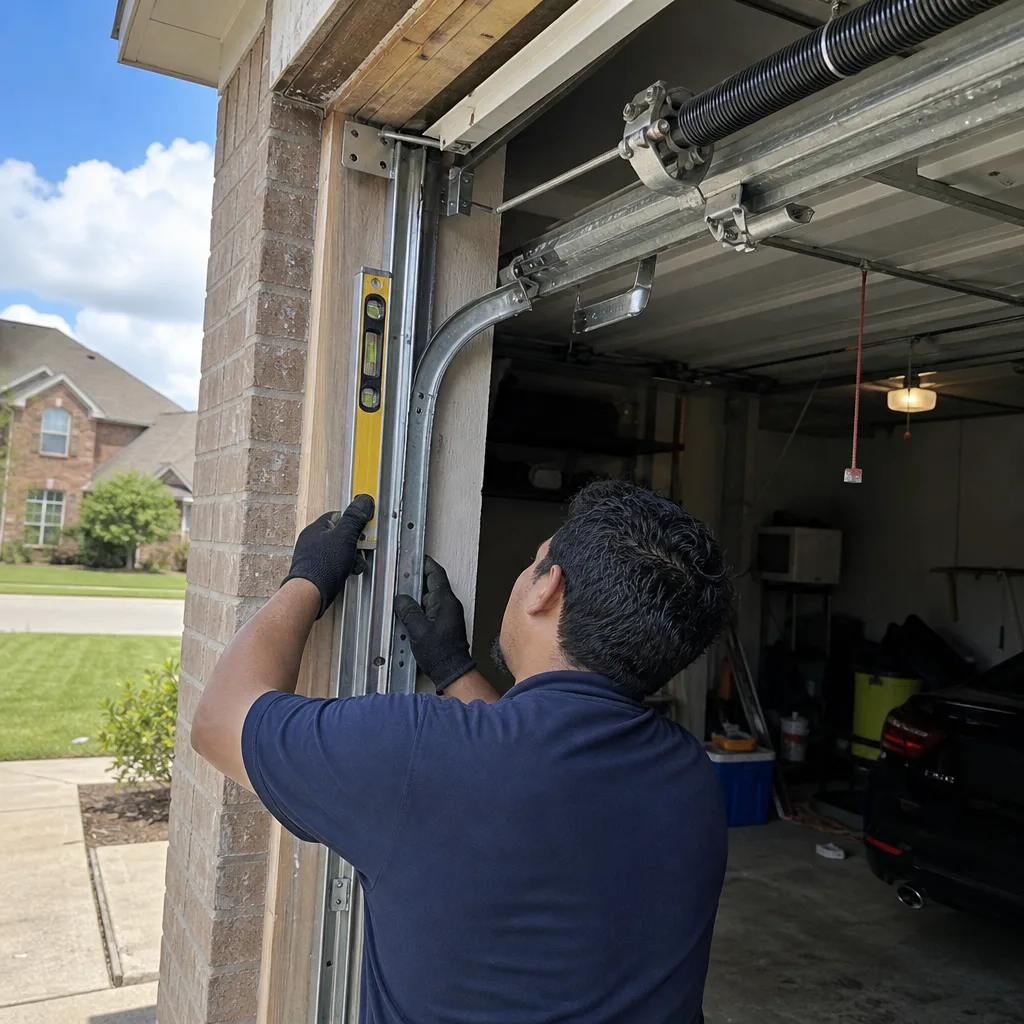
Track alignment check: With the door at mid-travel, visually compare the vertical track plumb to a level. The gap between track and door edge should be consistent within 1/4 inch from bottom to top. Horizontal tracks should slope slightly down toward the back of the garage (about 1/4 inch per 2 feet) so the door naturally seals when closed. Tracks knocked out of alignment from vehicle contact are common in Missouri City’s tighter new-construction garages.
Step 4: The Door-Balance Test (With Acceptable Deviation Range)
The door-balance test is the single most informative diagnostic a homeowner can perform. It reveals spring torque degradation before the spring breaks, identifies binding in the track system, and catches opener strain caused by an unbalanced door.
How to perform the test:
- Close the door fully and disconnect the opener by pulling the emergency release cord (usually a red handle on a rope)
- Manually lift the door to the halfway-open position (bottom of door at waist height)
- Release the door smoothly and step back
Acceptable results:
- Ideal: Door remains stationary at the halfway point, or drifts less than 6 inches in either direction
- Acceptable but monitor: Door drifts 6-12 inches down, or requires noticeable effort to lift from closed; schedule spring assessment within 30 days
- Requires immediate professional attention: Door falls rapidly to the closed position, or cannot be held at halfway without significant force; spring torque is critically low and the opener is compensating with excess strain
In Missouri City’s climate, we see more doors in the “monitor” category than in northern markets because thermal cycling degrades springs gradually. A door that was balanced in March may drift 8 inches by September after a hard summer. Run this test quarterly and log the results; trending degradation is as important as the absolute measurement.
If your door fails this test, do not reconnect the opener and continue using it. The opener’s motor and gears are absorbing the unbalanced load, leading to stripped trolley carriages, burned logic boards, and premature failure. The repair cascade costs more than addressing the spring.
Step 5: Opener Hardware, Logic Board, and Safety Sensors
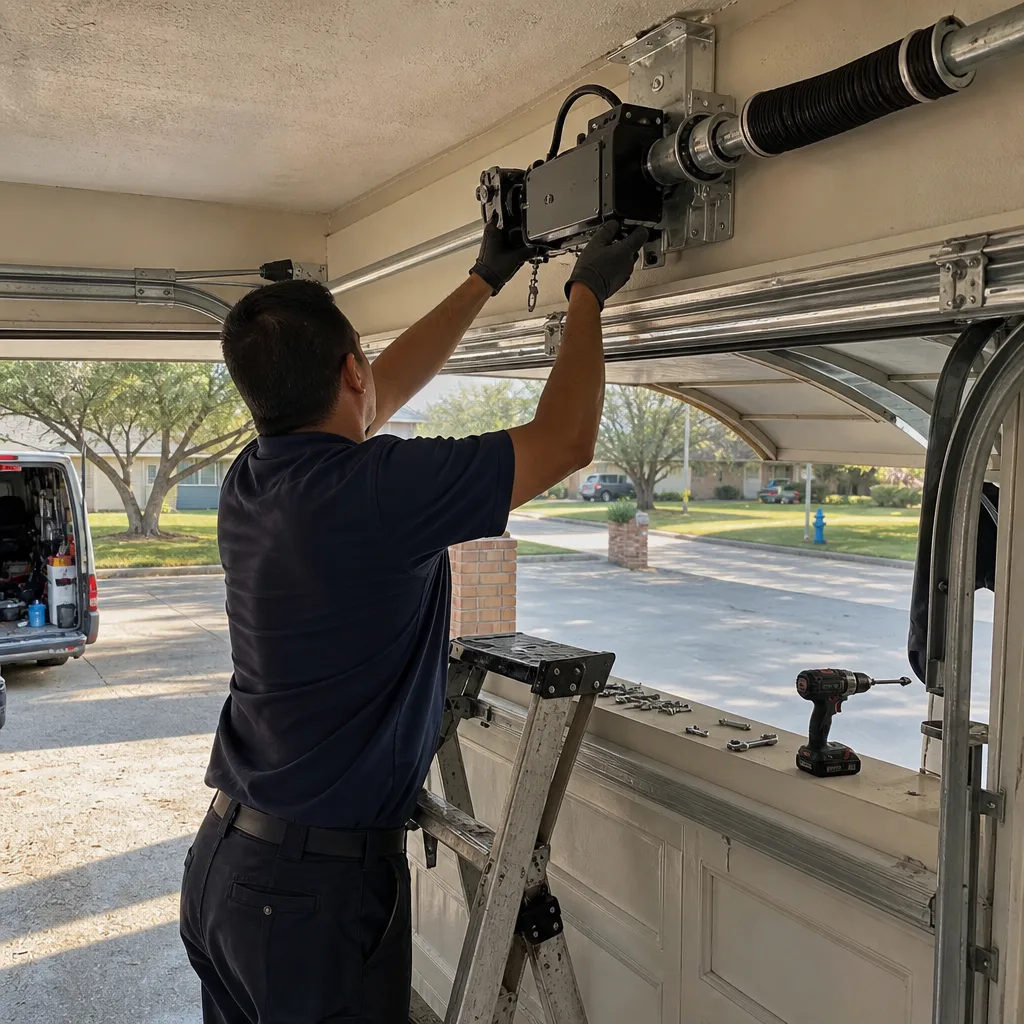
Opener inspection comes last in this sequence because opener problems are often symptoms, not root causes. An unbalanced door destroys openers; fix the door first, then the opener if it still malfunctions.
Mechanical inspection:
- Trolley carriage: the component that connects the opener arm to the door should move smoothly on the rail without binding or slop
- Drive system: for chain drives, check tension (chain should sag 1/2 inch at midpoint); for belt drives, inspect for fraying or cracking; for screw drives, lubricate per manufacturer spec with low-temperature grease
- Rail mounting: the header bracket above the door should be firmly anchored to structural framing, not just drywall or trim
- Limit switches: these electronic or mechanical stops tell the opener when the door is fully open or closed; misadjusted limits cause door slamming or failure to seal
Logic board and electrical:
Missouri City’s electrical environment includes frequent summer thunderstorms and occasional winter ice events that cause power fluctuations. Surge damage to opener logic boards is our second-most-common opener failure after mechanical wear. If your opener behaves erratically after a storm, resets its travel limits spontaneously, or loses remote programming, the logic board may have taken surge damage. Replacement boards run $120-$280 depending on opener brand and age; for units over 12 years old, full opener replacement often makes more sense.
Safety sensor test:
Photo-eye sensors mounted 4-6 inches above the floor on each side of the door opening must align precisely. Misalignment from bumping, vibration, or settling is the #1 cause of “door won’t close” calls.
- Close the door using the wall button
- Wave an object through the sensor beam while the door travels down
- Door must reverse immediately upon beam interruption
- If door continues down, sensors are misaligned, dirty, or failed
Clean sensor lenses with a soft cloth; even spider webs in Missouri City’s insect-rich environment can block the infrared beam. LED indicators on most LiftMaster, Chamberlain, and Craftsman models show alignment status: steady glow means aligned, blinking means misaligned or obstructed.
Lubrication Specifications: What Gets What
Generic “lubricate moving parts” advice causes more problems than it solves. The wrong lubricant attracts dust, degrades plastic, or thins out in heat. Here’s what we apply on every Garage Door Repair in Missouri City maintenance visit:
| Component | Lubricant Type | Application Notes |
|---|---|---|
| Torsion spring | Lithium-based grease (white or amber) | Light coat on coils; wipe excess; attracts dust if over-applied |
| Track interior | None | Clean with solvent only; lubricant causes roller slippage and accumulation |
| Roller bearings (steel, unsealed) | Lithium grease | 2-3 drops into bearing race; rotate wheel to distribute |
| Roller bearings (nylon, sealed) | None | Sealed bearings are maintenance-free; lubricant degrades nylon |
| Hinge pivot points | Lithium grease | Pin and barrel interface only; avoid plastic hinge bodies |
| Chain drive | Manufacturer-specified chain lube | Not general-purpose oil; chains require tacky, penetrating formula |
| Screw drive | Low-temperature lithium grease | Apply to screw thread full length; reapply every 6 months |
| Weatherstrip | Silicone spray (pure, no petroleum) | Prevents drying and cracking; petroleum-based products destroy rubber and PVC |
| Bottom seal retainer | None | Clean only; lubricant collects grit that abrades seal |
Critical warning: Never use WD-40 as a garage door lubricant. It’s a water-displacing solvent, not a lubricant, and it strips existing grease while leaving a residue that attracts dust. We’ve replaced prematurely failed components in Missouri City homes where WD-40 was the only “maintenance” performed.
For Wayne Dalton and Raynor doors with proprietary TorqueMaster or EZ-SET spring systems, follow manufacturer lubrication specs exactly; these enclosed spring systems have different requirements than standard torsion setups.
Seasonal Trigger Points for Fort Bend County
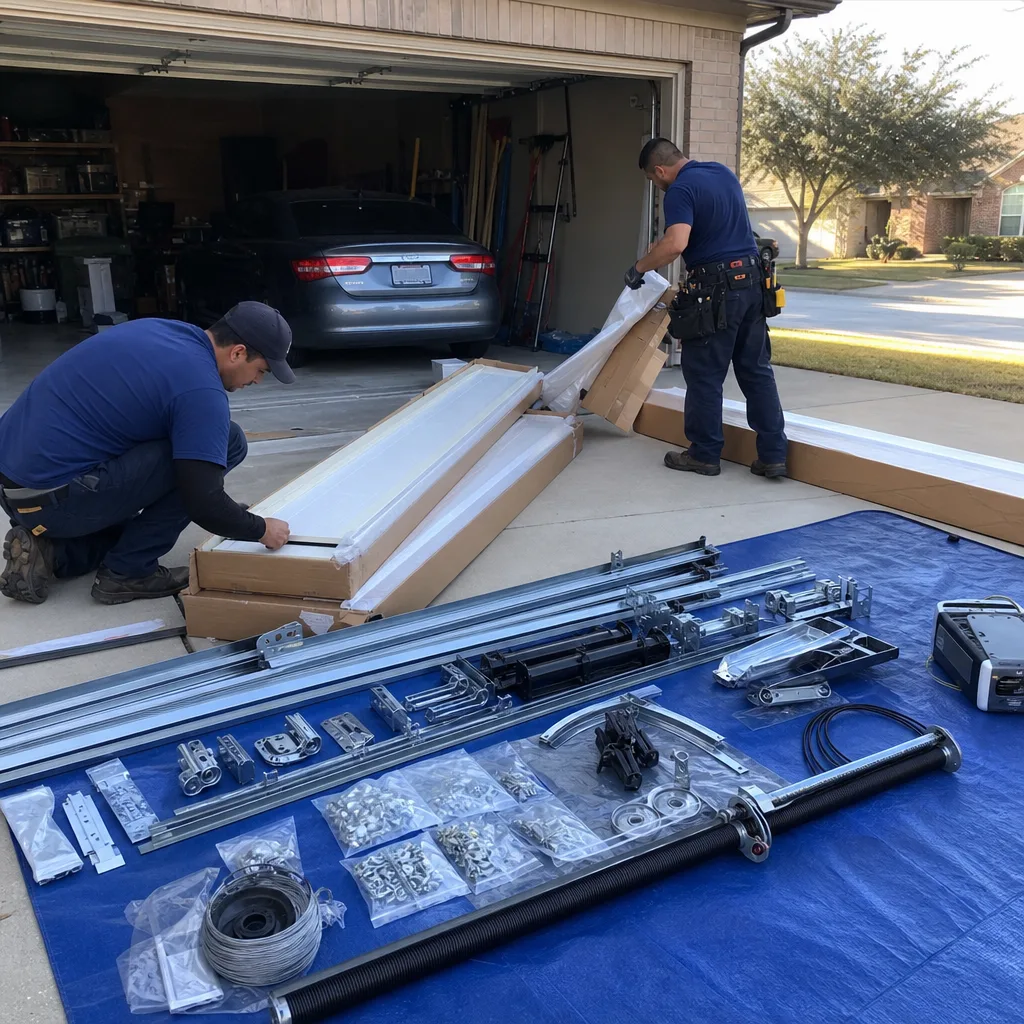
Calendar-based maintenance works better than mileage-based for garage doors in this climate. Mark these two inspection windows:
September: Post-Summer Weatherstrip Inspection
After UV peak season, inspect weatherstripping on all door edges. The south- and west-facing garage doors in Sienna Plantation, Lake Olympia, and Riverstone take the hardest hit; we’ve measured surface temperatures on these doors at 148°F in late August. Any hardening, cracking, or compression set visible in September will worsen through winter as cold makes the material brittle. Replace now, before the first cold front.
Also check: opener logic board for surge damage from summer lightning season; outdoor keypad and remote battery levels (heat accelerates drain); and bottom seal for insect or rodent damage from peak summer activity.
February: Post-Freeze Cable and Hardware Inspection
Missouri City hard freezes are infrequent but damaging when they occur. January 2024 brought three consecutive nights below 25°F, and we saw a 40% increase in cable failures the following February. Cold makes already-corroded cables brittle; the first warm-week operation after a freeze is when they snap.
Inspect: cables for new fraying or rust blooms; bottom fixtures for wallowed holes from contraction-expansion; and spring torque (run the balance test). If your garage is uninsulated and the door was operated during freeze conditions, schedule a professional assessment even if visual inspection looks clean.
The Documentation Habit: What to Photograph and Log
This is where Servo’s approach differs from every other Servo Garage Doors Missouri City home service company, and it’s the habit that saves homeowners the most money long-term. Documented degradation history eliminates guesswork and prevents unnecessary replacement.
What to photograph each season:
- Full-door shot with date, showing weatherstrip condition and any panel damage
- Close-up of bottom seal cross-section, showing compression and cracking
- Torsion spring from each end, showing coil spacing and surface condition
- Cable at bottom fixture and at drum, showing fraying and corrosion
- One roller from each side, mid-door and bottom, showing wear pattern
- Safety sensor alignment and LED status
Store these with the date in a dedicated folder. When you call for service, share the sequence. A technician who can see that your spring coils were evenly spaced 18 months ago and now show 1/2-inch gap variation knows the degradation rate and can recommend replacement timing with confidence. Without photos, it’s a binary “looks fine” or “replace now” judgment with no trend data.
This documentation practice mirrors what we deliver on every visit: a photo record of findings and completed work, tracing back to the founding rule that the customer sees the failed part before anyone quotes a replacement. Clause 4 of The Haven Standard codifies this; your personal documentation extends the same rigor to between-visit monitoring.
For homeowners in Missouri City’s newer subdivisions with HOA maintenance records, this photo log also satisfies any warranty or insurance documentation requirements for storm or defect claims.
Common Mistakes to Avoid
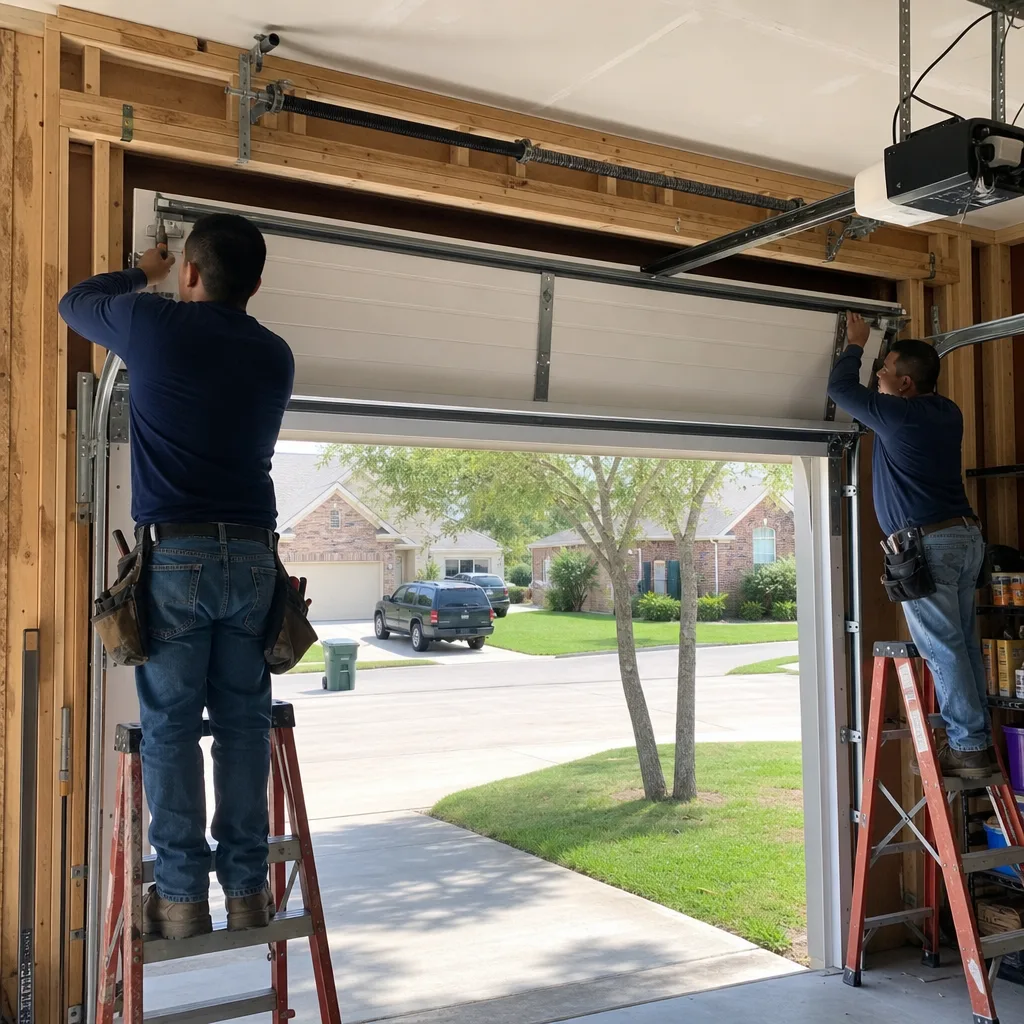
- Lubricating the track interior. This causes roller slippage, attracts dust that forms abrasive paste, and can make the door run roughly. Tracks get cleaned, not lubricated.
- Ignoring weatherstripping until it falls off. In Missouri City’s climate, degraded weatherstripping is the gateway failure that accelerates everything else by letting humidity and temperature extremes into the garage environment.
- Running the door-balance test with the opener connected. The test only works with manual operation; opener assistance masks spring degradation and gives false reassurance.
- Using petroleum-based products on rubber or PVC seals. These swell and degrade the material, turning a 4-year seal into a 1-year failure. Silicone spray only.
- Replacing only one spring or one cable. Matched components age together; replacing one side guarantees rapid failure of the other and creates dangerous imbalance. This is why Clause 3 of The Haven Standard requires paired replacement.
- Skipping documentation because “it looks fine.” Degradation is incremental and hard to judge by memory; the photo from 12 months ago reveals what today’s glance misses.
- Delaying service after a failed balance test. An unbalanced door destroys the opener, strips drive gears, and can cause dangerous uncontrolled closure. The $200 spring adjustment prevents the $600 opener replacement.
When to Call a Professional
Call for service when you observe any of the following: a broken torsion spring (visible coil gap), frayed or kinked lifting cables, a door that fails the balance test with more than 12 inches of drift, an opener that strains or reverses erratically, or any component damage following a vehicle impact. Do not attempt spring adjustment, cable replacement, or track realignment yourself; these operations involve stored energy and pinch hazards that cause serious injury. If you need to bring in a pro, read How to Hire a Garage Door Contractor in Missouri City: A Step-by-Step Guide first.
Servo Garage Doors Missouri City offers free estimates in Missouri City. We’ll run the full diagnostic sequence, provide a flat written price before any work begins per Clause 1 of The Haven Standard, and deliver a documented photo record of our findings. Call (346) 456-5565 to schedule.
Frequently Asked Questions
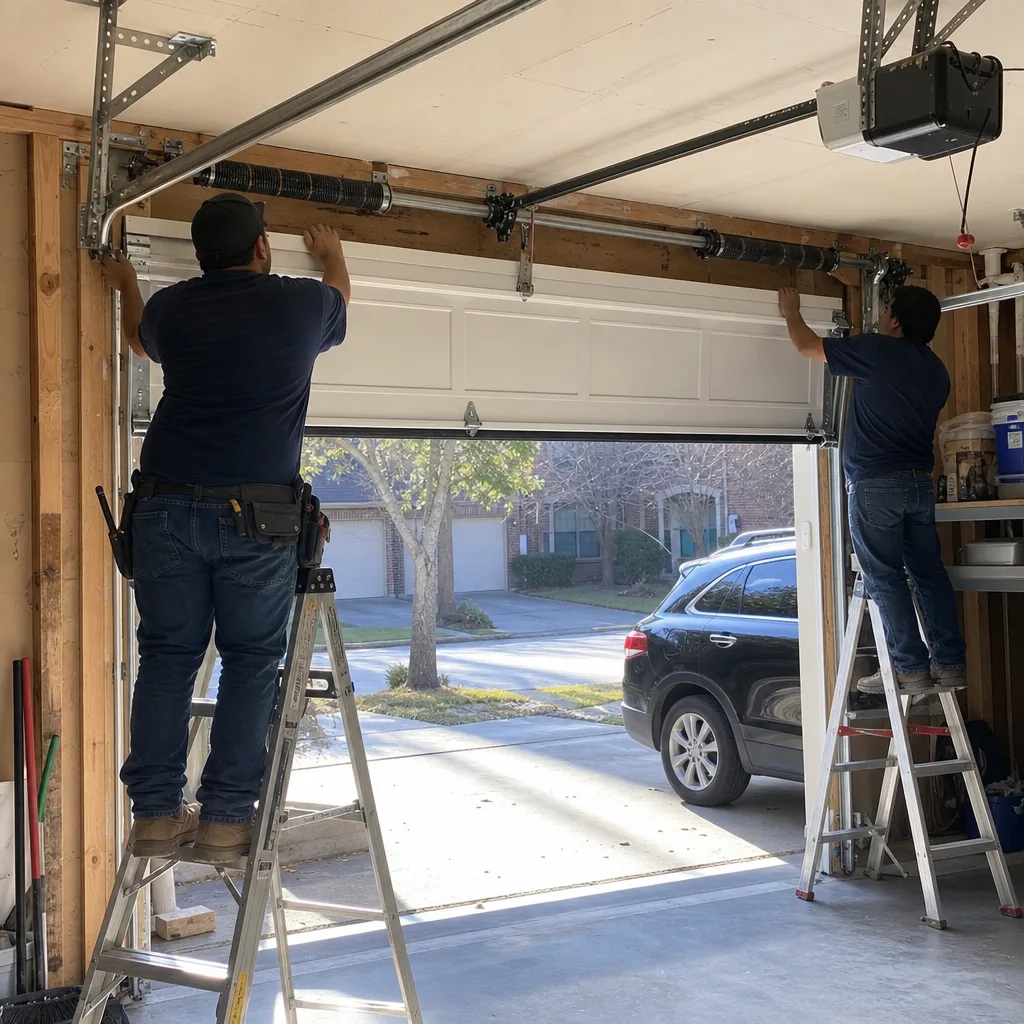
Run the door-balance test quarterly, perform the full visual inspection twice yearly (September and February align with our climate stress points), and lubricate metal components every 6 months. Weatherstripping should be checked monthly during summer UV peak. Call (346) 456-5565 if any quarterly test shows deviation outside the acceptable range.
Professional maintenance service typically runs $89-$149 for a standard residential door, including full inspection, balance test, lubrication, safety sensor alignment, and documented photo record. Repairs identified during maintenance are quoted separately with a flat written price before work begins. Estimates are free; call (346) 456-5565 to schedule.
Homeowners can safely apply lubricant to hinges, roller bearings (steel only), and weatherstrip using the specifications in this guide. Do not attempt to lubricate torsion springs while under tension, and do not apply any lubricant to tracks or nylon rollers. If you’re uncertain of your roller type or spring system, a professional maintenance visit includes proper lubrication and identification of your specific components.
Thermal expansion changes clearances between metal components; in Missouri City’s summer heat, steel tracks and rollers expand, tightening fits that were loose in winter. Lubricant also thins in heat, reducing its protective film. If summer noise is significant, check that you’re using lithium grease (stable across temperature ranges) rather than a lighter oil, and inspect for track misalignment that expansion has brought into contact range.
Standard 10,000-cycle torsion springs typically last 7-10 years in climate-controlled garages here, but 5-7 years in uninsulated garages due to thermal cycling stress. High-cycle springs rated for 20,000-30,000 cycles extend this proportionally. The door-balance test reveals degradation before failure; a spring that still looks intact may have lost 30% of its torque and be overloading your opener.
Flashing opener light indicates a safety sensor issue in most LiftMaster, Chamberlain, Genie, and Craftsman models. Check that both sensor LEDs are steady (not blinking), clean lenses with a soft cloth, verify nothing blocks the beam path, and confirm sensors haven’t been knocked out of alignment. If steady LEDs can’t be restored, the sensor wiring or logic board may need professional diagnosis. Call (346) 456-5565 for same-day assessment.
The Bottom Line
Garage door maintenance in Missouri City is not a generic task. The sequence matters: weatherstripping first, then springs, then cables and rollers, then opener hardware. The lubricant matters: lithium grease for metal, silicone for rubber, nothing for tracks or nylon. The timing matters: September after UV peak, February after freeze risk. And the documentation matters more than most homeowners realize, turning incremental degradation into predictable maintenance instead of emergency replacement. Perform the balance test quarterly, photograph what you find, and call when deviation trends appear rather than after failure. The cost of prevention is always lower than the cost of the repair cascade that follows neglect.
For Garage Door Installation in Missouri City or Garage Door Opener Repair & Installation in Missouri City, we apply the same documented, written-price-first approach. Every visit includes the photo record, the flat scope, and the 365-Day Done Right Promise backed by The Haven Standard terms page, not a handshake.
Written by Marcus Deller, Owner at Servo Garage Doors Missouri City, serving Missouri City since 2015.